Uncovering Trauma at the Sacred Shadow Festival
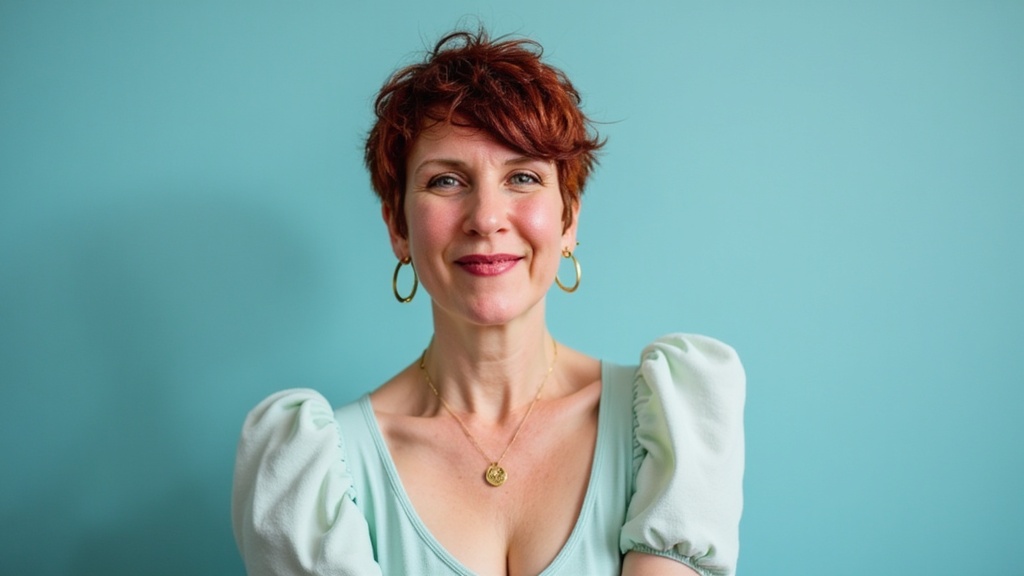
The Sacred Shadow Festival is not just an event; it’s a transformative experience that invites participants to confront their past traumas in a safe and supportive environment. This festival, held annually in a serene location, brings together individuals from diverse backgrounds, all seeking healing and connection. In this blog post, we will explore the significance of the festival, the activities that take place, and the profound impact it has on those who attend.

Understanding Trauma
Trauma can take many forms, from childhood experiences to significant life events. It affects individuals differently, often manifesting in emotional, psychological, and physical ways. Understanding trauma is the first step toward healing.
Types of Trauma
Acute Trauma: This results from a single distressing event, such as an accident or natural disaster.
Chronic Trauma: This type occurs repeatedly over time, often seen in cases of abuse or neglect.
Complex Trauma: This involves exposure to multiple traumatic events, often of an invasive nature, affecting a person’s emotional and psychological well-being.
The Importance of Addressing Trauma
Ignoring trauma can lead to long-term consequences, including mental health issues, relationship problems, and physical health complications. Addressing trauma is crucial for personal growth and emotional stability. The Sacred Shadow Festival provides a unique opportunity for individuals to confront their trauma in a supportive community.
The Sacred Shadow Festival Experience
The Sacred Shadow Festival is designed to facilitate healing through various activities and workshops. Each element of the festival is carefully curated to promote self-discovery and connection with others.
Workshops and Activities
Healing Circles: These intimate gatherings allow participants to share their stories in a safe space. Facilitators guide discussions, helping individuals process their experiences.
Art Therapy: Creative expression is a powerful tool for healing. Participants engage in art therapy sessions, using various mediums to express their emotions and experiences.
Nature Walks: The festival is set in a beautiful natural environment, encouraging participants to connect with nature. Guided walks help individuals reflect and find peace in their surroundings.
Meditation and Mindfulness: Daily meditation sessions teach participants techniques to manage stress and anxiety, fostering a sense of calm and clarity.
Movement Workshops: Activities such as yoga and dance allow participants to reconnect with their bodies, promoting physical and emotional release.
Community Support
One of the most powerful aspects of the Sacred Shadow Festival is the sense of community it fosters. Participants often form deep connections with one another, sharing their journeys and supporting each other through the healing process. This sense of belonging can be incredibly therapeutic, helping individuals feel less isolated in their experiences.
Personal Stories of Transformation
The impact of the Sacred Shadow Festival can be profound. Many attendees leave with a renewed sense of hope and purpose. Here are a few personal stories that highlight the transformative power of the festival:
Story 1: Sarah’s Journey
Sarah attended the festival seeking relief from chronic anxiety stemming from childhood trauma. Through the healing circles, she found the courage to share her story for the first time. The support she received from fellow participants helped her realize she was not alone. By the end of the festival, Sarah felt empowered to continue her healing journey, armed with new tools and a supportive community.
Story 2: Mark’s Awakening
Mark, a veteran struggling with PTSD, found solace in the nature walks and meditation sessions. He discovered that connecting with nature helped him process his experiences in a way he had never imagined. The festival provided him with a safe space to confront his trauma and begin the healing process.
Story 3: Emily’s Creative Expression
Emily, an artist, used the art therapy sessions to explore her feelings surrounding a recent loss. Through painting, she was able to express emotions she had bottled up for years. The feedback and encouragement from fellow participants helped her see her art as a powerful tool for healing.
The Role of Facilitators
The success of the Sacred Shadow Festival is largely due to the dedicated facilitators who guide participants through their healing journeys. These individuals are often trained in trauma-informed practices and bring a wealth of experience to the festival.
Qualities of Effective Facilitators
Empathy: Understanding and relating to participants’ experiences is crucial.
Active Listening: Facilitators must be attentive and responsive to participants’ needs.
Knowledge: A solid understanding of trauma and healing practices enhances the support provided.
The Impact of the Festival on Mental Health
Research shows that community support and engagement in therapeutic activities can significantly improve mental health outcomes. The Sacred Shadow Festival exemplifies this by providing a holistic approach to healing.
Benefits of Attending the Festival
Increased Awareness: Participants gain insights into their trauma and its effects on their lives.
Enhanced Coping Skills: Workshops equip individuals with practical tools to manage their emotions.
Stronger Connections: Building relationships with others who share similar experiences fosters a sense of belonging.
Moving Forward After the Festival
The journey of healing does not end with the festival. Participants are encouraged to continue their work beyond the event. Here are some strategies to maintain progress:
Continued Support
Join Support Groups: Connecting with others who have attended the festival can provide ongoing support.
Seek Professional Help: Therapy can be a valuable resource for continued healing.
Practice Self-Care: Incorporating self-care routines into daily life is essential for maintaining mental health.
Setting Goals
Encouraging participants to set achievable goals can help them stay focused on their healing journey. Whether it’s practicing mindfulness daily or engaging in creative activities, having a plan can foster a sense of purpose.
Conclusion
The Sacred Shadow Festival is more than just an event; it is a sanctuary for healing and transformation. By providing a safe space for individuals to confront their trauma, the festival empowers participants to reclaim their lives. As attendees leave with newfound hope and tools for healing, they carry the spirit of the festival with them, reminding them that they are not alone on their journey.
The next time the Sacred Shadow Festival is held, consider attending. It could be the first step toward uncovering your own trauma and beginning the healing process. Embrace the opportunity to connect, heal, and grow within a supportive community.

Comments